



Reinstates Solar for All Program Funds After Trump-Ordered Climate Freeze
WASHINGTON, D.C. — In a significant development for U.S. climate policy and low-income communities, the Environmental Protection Agency (EPA) has reactivated access to the Solar for All program’s grant funds. This decision comes after a contentious freeze initiated by President Donald Trump’s executive order, which paused billions in clean energy investments authorized by President Joe Biden’s 2022 Inflation Reduction Act (IRA).
What Is the Solar for All Program?
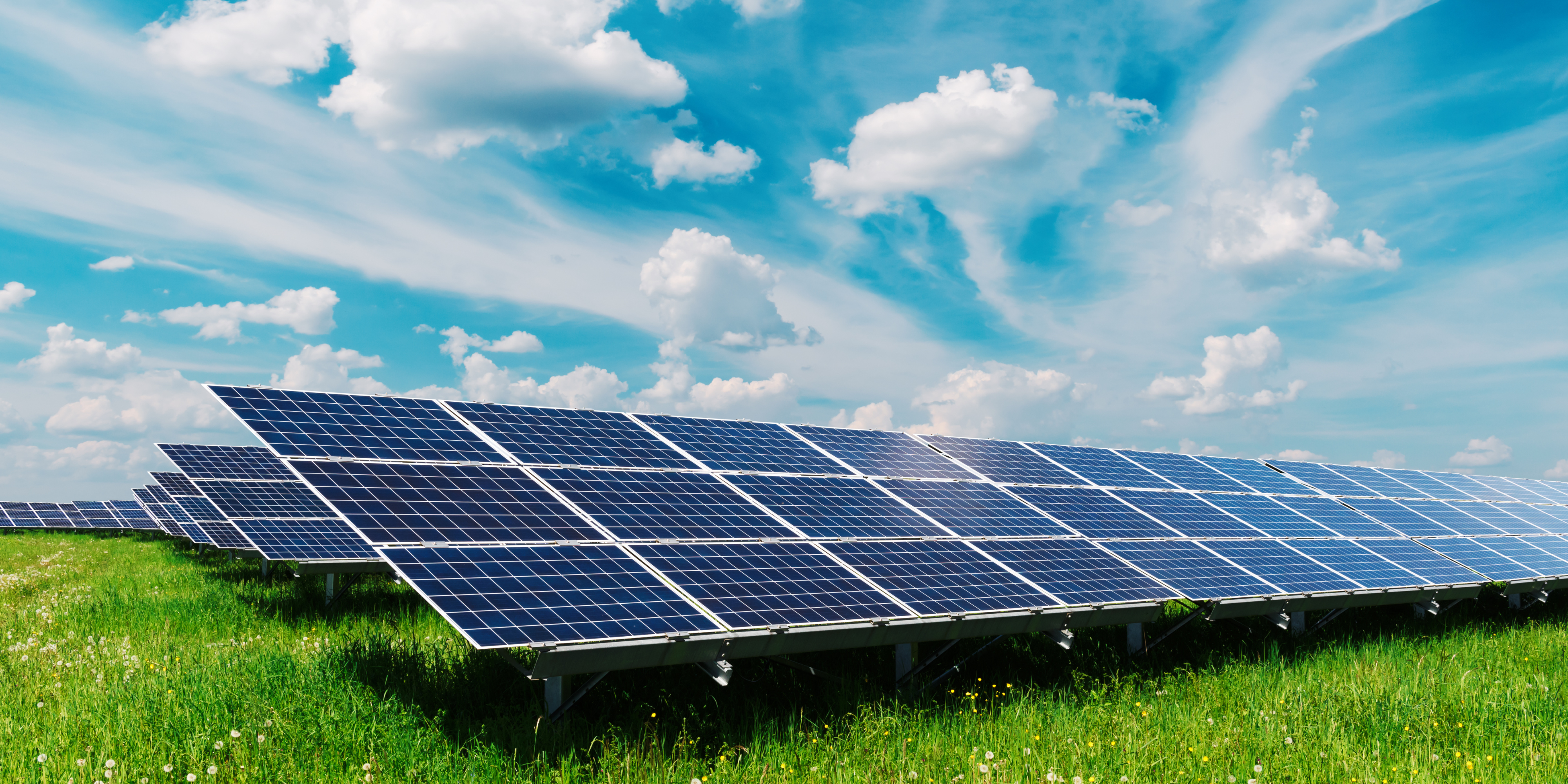
The Solar for All program is one of three initiatives under the Greenhouse Gas Reduction Fund (GGRF), created through the IRA, Biden’s landmark climate legislation. With a focus on equity and environmental justice, Solar for All is designed to:
- Bring affordable solar energy to low-income and disadvantaged communities
- Support nonprofit and community-led solar developers
- Reduce household energy costs and greenhouse gas emissions
With $7 billion in grant funding, the program was set to empower 60 recipients—including state and local governments, tribal nations, and nonprofit organizations—when it was abruptly halted on January 20 following a Trump executive order that froze most federal climate-related financial assistance.
Trump Administration’s Funding Freeze Sparks Chaos
A memo issued by the Office of Management and Budget (OMB) in late January confirmed the freeze on financial assistance as part of a sweeping White House review of all Biden-era climate programs. As a result:
- Grant recipients were locked out of the federal disbursement portal
- Clean energy organizations nationwide faced financial disruptions
- Critics accused the White House of creating regulatory uncertainty and undermining public-private climate partnerships
The freeze had tangible consequences for ongoing solar deployment efforts, particularly in vulnerable communities relying on public grants for climate resilience and economic development.
EPA Administrator Zeldin Faces Backlash Over Climate Rollbacks
Newly appointed EPA Administrator Lee Zeldin, sworn in on January 29, has quickly emerged as a central figure in the Trump administration’s push to curtail climate action. In a video posted on X, Zeldin denounced the GGRF and Solar for All as examples of “reckless spending,” alleging potential mismanagement and conflicts of interest in how the grants were awarded.
But Zeldin’s actions provoked immediate resistance. In a sharply worded letter, Senate Democrats on the Environment and Public Works Committee accused him of unlawfully suspending funds and misrepresenting program oversight. Moreover, two separate federal judges in Washington, D.C. and Rhode Island issued rulings in early February temporarily blocking the White House from enforcing the freeze.
“EPA worked expeditiously to enable payment accounts for IIJA and IRA grant recipients, so funding is now accessible to all recipients.”
— EPA statement to EnergySage, April 2025
Funding Restored, But Future Uncertain
As of early April, the EPA confirmed that the grant payment systems are back online and recipients have regained access. One nonprofit told EnergySage it had successfully resumed drawing down its Solar for All funds, enabling stalled projects to move forward.
Still, questions loom over the program’s long-term future. While the current legal roadblocks have temporarily stalled the freeze, a reinstatement of the order—or broader climate program rollbacks—remains a political possibility depending on future litigation or executive action.
Editorial Commentary: A Climate Crossroads
The temporary reinstatement of Solar for All funding offers a critical window of opportunity—but also highlights the fragile state of U.S. climate policy under shifting political winds. The Trump-Zeldin strategy to dismantle green energy investments marks a stark reversal from the Biden administration’s goals, particularly in advancing energy equity.
At stake are not only emissions reduction targets, but also the energy sovereignty and economic stability of marginalized communities who stand to gain the most from programs like Solar for All.
Bottom line: The fight over Solar for All is about more than grants—it’s a referendum on whether America will continue its momentum toward a clean energy future, or retreat in the face of political ideology.
Background: What Is the Greenhouse Gas Reduction Fund?
Created under the IRA, the Greenhouse Gas Reduction Fund (GGRF) is a $27 billion initiative aimed at accelerating the deployment of zero-emissions technologies through community financing. It consists of three key programs:
- Solar for All – $7 billion for residential solar in disadvantaged communities
- National Clean Investment Fund – $14 billion for green banks and clean finance
- Clean Communities Investment Accelerator – $6 billion for community lenders
All three programs faced disruption from the January freeze, signaling broader threats to national clean energy goals.