




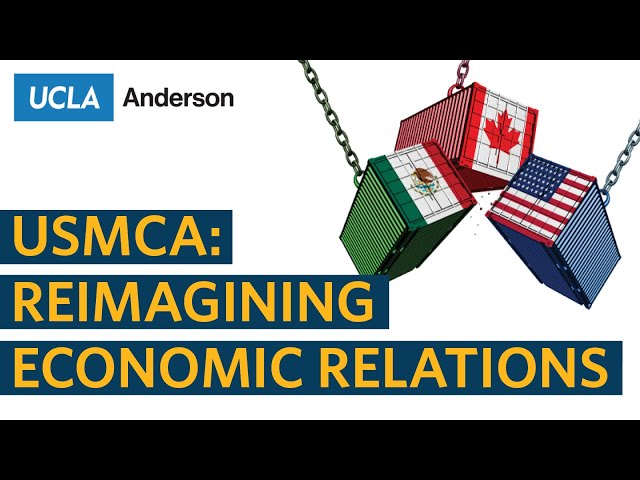
Will the USMCA Improve Supply Chain Resiliency?
The USMCA, also known as NAFTA 2.0, is a comprehensive trade agreement between the United States, Mexico, and Canada. Signed by President Trump, it took effect on July 1, 2020, with the goal of fostering fair trade and enhancing supply chain resilience among these North American nations.
Summary Table
| Key Point | Details |
|---|---|
| Agreement Name | USMCA (United States-Mexico-Canada Agreement) |
| Effective Date | July 1, 2020 |
| Major Goals | Enhance supply chain resilience, create fair trade opportunities |
| Top Industries Impacted | Automotive, aerospace, e-commerce, logistics |
Why is USMCA Important?
Trade between the US, Mexico, and Canada accounts for approximately 30% of global GDP, equaling $24 trillion as of 2020. The agreement plays a crucial role in stabilizing economic relationships, particularly in light of supply chain disruptions caused by global events like the pandemic and geopolitical tensions.
Key Insights from Experts
Addressing Trade Deficits
Experts argue that focusing solely on trade deficits is outdated. Instead, supply chain reliability and diversification are key factors driving modern trade agreements. As the pandemic highlighted, supply chains need to evolve from “just in time” to “just in case.”
Supply Chain Innovations
Speakers highlighted the potential of blockchain technology and data sharing to improve supply chain transparency. For instance, better coordination of data from shipping vessels could reduce delays and inefficiencies in logistics.
Impact on Logistics and Real Estate
Railway Advancements
The merger of Canadian Pacific and Kansas City Southern has created the first transcontinental North American railway, linking Mexico to Canada. This infrastructure is poised to revolutionize logistics efficiency, enabling smoother movement of goods.
Real Estate Developments
Industrial growth in Mexico, especially along the northern border, has driven demand for warehouses and manufacturing spaces. However, limited vacancy rates in cities like Tijuana and Ciudad Juarez are putting pressure on real estate markets.
Challenges and Opportunities
Energy Availability
Mexico’s energy sector faces challenges, particularly in providing sufficient resources for industrial growth. The re-nationalization of energy markets may affect competitiveness and energy costs.
Labor and Technology
While Mexico boasts a young and competitive labor force, businesses are increasingly turning to automation to address labor shortages. This trend is particularly evident in high-tech manufacturing and logistics.
Conclusion
The USMCA represents a significant step towards enhancing North American trade and supply chain resilience. While opportunities abound, challenges like energy reforms, labor shortages, and supply chain transparency must be addressed to fully realize the agreement’s potential.